Why Valletta is Unmissable

Valletta isn't just Malta's capital - it's one of the most concentrated historic cities in the world. Built by the Knights of St John after the Great Siege of 1565, this entire city is a UNESCO World Heritage Site, packed into just 0.8 km² of peninsula.
What makes Valletta remarkable? The Knights designed it as Europe's first planned city, creating a grid of streets lined with Baroque palaces, churches, and fortifications. Walk any street and you'll discover ornate balconies, hidden courtyards, and spectacular harbour views at every turn.
Valletta's renaissance since becoming European Capital of Culture in 2018 has added contemporary culture to its historic bones. You'll find world-class museums, innovative restaurants, and vibrant nightlife alongside 450-year-old churches. It's a city where you can marvel at a Caravaggio masterpiece in the morning and sip natural wine on a rooftop terrace at sunset.
Planning to explore beyond Valletta? Our Malta Attractions Guide covers the best sights across the islands.
St John's Co-Cathedral

If you visit only one attraction in Malta, make it St John's Co-Cathedral. This Baroque masterpiece is arguably the finest church interior in Europe - and home to Caravaggio's largest painting.
⛪ St John's Co-Cathedral
Built between 1573-1578 by the Knights of St John, the cathedral's austere facade conceals an overwhelmingly ornate interior. Every surface is covered in gold, marble inlay, and painted vaults. The marble floor comprises 400 tombstones of knights, each an artwork in itself.
The highlight is Caravaggio's "The Beheading of Saint John the Baptist" - his largest work and the only painting he ever signed. The oratory housing it is worth the visit alone. Don't miss the chapels of the eight langues (national groups) of the Knights, each competing to outdazzle the others.
Time needed: 1.5-2 hours minimum · Note: Audio guide included
Tips for Visiting St John's Co-Cathedral
- Arrive at opening time - The cathedral gets extremely crowded after 11am when cruise passengers arrive. The 9:30am slot offers peaceful viewing.
- Dress appropriately - Shoulders and knees must be covered. Shawls are provided but queues form.
- Use the audio guide - Included in your ticket, it's excellent and essential for understanding what you're seeing.
- Don't rush the floor - The marble tombstones are extraordinary. Each tells the story of a knight through heraldry and Latin inscriptions.
- Book online - Skip the queue by purchasing tickets at stjohnscocathedral.com.
Upper Barrakka Gardens
Perched on the bastions above Grand Harbour, Upper Barrakka Gardens offer the most photographed view in Malta - and one of the Mediterranean's finest urban panoramas.
🌳 Upper Barrakka Gardens
Originally a private garden for Italian knights, this elegant terrace now provides spectacular views across Grand Harbour to the Three Cities. The arched terraces frame perfect photo opportunities, while the garden itself offers shaded benches and historic statues.
The highlight? The noon cannon salute. Every day at 12pm (and 4pm), the Saluting Battery below fires a cannon - a tradition dating back to the Knights. Arrive 15 minutes early to secure a viewing spot.
Time needed: 30-60 minutes · Cannon: Daily at 12pm and 4pm
Making the Most of Upper Barrakka
- Sunset is magical - The gardens face east, but sunset light illuminates the Three Cities beautifully.
- Take the lift - The Barrakka Lift connects the gardens to the waterfront below (€1 one way). Great for accessing the ferry to the Three Cities.
- Visit the Saluting Battery - Below the gardens, this restored gun platform offers guided tours and the chance to see the cannon fired up close.
- Combine with Castille - The Prime Minister's office, Auberge de Castille, sits adjacent. The square offers another photo opportunity.
Don't miss the Lower Barrakka Gardens at the tip of the peninsula either - smaller and quieter, with the Siege Bell Memorial and views toward Fort St Elmo.
Fort St Elmo & the War Museum
At the tip of Valletta's peninsula, Fort St Elmo witnessed the most brutal fighting of the Great Siege of 1565. Today it houses an excellent war museum and offers a different perspective on Malta's martial history.
🏰 Fort St Elmo & National War Museum
This star-shaped fortress bore the initial Ottoman onslaught in 1565, holding out for a month against overwhelming odds. The National War Museum inside chronicles Malta's military history from the Knights through WWII, when the island earned the George Cross for its heroic resistance.
Highlights include the original George Cross awarded to Malta, the Faith - one of three Gloster Gladiator biplanes that defended the island, and evocative displays on the Great Siege. The fort's ramparts offer panoramic views of both harbours.
Time needed: 1.5-2 hours · Note: Considerable walking on uneven surfaces
Fort St Elmo Highlights
- The Great Siege displays - Understand the 1565 siege that shaped Malta's identity and led to Valletta's construction.
- WWII galleries - Malta was the most bombed place on Earth in 1942. The exhibits bring this period to life.
- In Guardia pageant - On selected dates, costumed re-enactors stage military drills of the Knights. Check heritagemalta.org for schedules.
- Views from the cavalier - Climb to the highest point for 360-degree views over Valletta and both harbours.
Casa Rocca Piccola
For a glimpse into how Maltese nobility lived (and still lives), Casa Rocca Piccola is essential. This 16th-century palazzo remains the private home of the de Piro family while opening its doors to visitors.
🏛️ Casa Rocca Piccola
Unlike museum houses frozen in time, Casa Rocca Piccola is a living palazzo. The de Piro family still resides here, and guided tours led by family members or long-serving staff offer authentic insights into aristocratic Maltese life.
The 50-room palazzo contains collections spanning centuries - from knight costumes and antique furniture to WWII air-raid shelters carved into the rock below. The personal anecdotes shared during tours make this uniquely engaging.
Time needed: 1 hour · Note: Guided tours only
What Makes Casa Rocca Piccola Special
- The WWII shelters - Descend into rock-cut tunnels where the family sheltered during bombing raids.
- Living history - Family photos sit beside antiques. It feels like visiting relatives, not a museum.
- The costume collection - Knight's armour, ceremonial robes, and historic dress are displayed throughout.
- Summer rooms - See how the Maltese nobility adapted their homes to the Mediterranean climate.
Valletta Museums
Beyond the must-see attractions, Valletta houses several excellent museums. Here are the highlights for different interests.
🏺 National Museum of Archaeology
Housed in the Auberge de Provence, this museum holds treasures from Malta's prehistoric temples - older than Stonehenge or the Pyramids. The "Sleeping Lady" and "Venus of Malta" figurines are globally significant artefacts.
Best for: History enthusiasts, those visiting temple sites
🎨 MUZA - National Museum of Art
Malta's national art collection is beautifully displayed in the Auberge d'Italie. The collection spans from medieval to contemporary, with particular strength in Baroque paintings. The building itself, with its stunning courtyard, is worth visiting.
Best for: Art lovers, architecture enthusiasts

🎭 Manoel Theatre
Built in 1731, this is one of Europe's oldest working theatres. Even if you don't catch a performance, guided tours reveal its intimate oval auditorium, royal boxes, and fascinating history as a theatre that never closed - even during WWII.
Best for: Theatre fans, architecture enthusiasts
🏥 The Malta Experience
A 45-minute audiovisual show covering 7,000 years of Maltese history. Located in the former Hospital of the Knights, it's an excellent introduction to Malta - especially for first-time visitors wanting context before exploring.
Best for: History overview, first-time visitors
Walking Routes Through Valletta
Valletta rewards wandering. Here are three routes depending on your time and interests.
🚶 Essential Valletta (2-3 hours)
Start at City Gate and walk down Republic Street, stopping at St John's Co-Cathedral. Continue to St George's Square (Misrah San Gorg) to see the Grand Master's Palace exterior. End at Upper Barrakka Gardens for harbour views and the noon cannon.
🚶 Complete Valletta (Full Day)
Add Fort St Elmo and the War Museum to the essential route. Walk the bastions from Upper Barrakka to Lower Barrakka, then through the backstreets to Fort St Elmo. Afternoon: explore Strait Street, Casa Rocca Piccola, and end with sunset at the gardens.
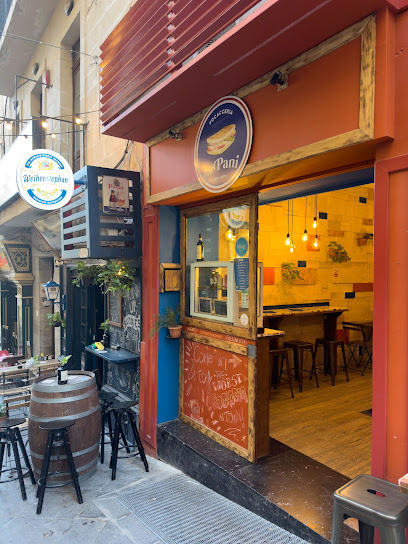
🚶 Hidden Valletta (Half Day)
Skip the main sights for Valletta's secret corners. Start at St Paul's Shipwreck Church, wander Merchant Street's auberges, discover the tiny St Roque Church, explore the narrow streets around Old Mint Street, and end at Victoria Gate overlooking Grand Harbour.
For more walking ideas across Malta, including the fortified cities of the Three Cities, see our Mdina Guide - another unmissable walled city.
Practical Tips for Visiting Valletta
- Start early or late - Cruise ship passengers flood Valletta from 10am-4pm. The city is most magical early morning or evening.
- Wear comfortable shoes - The streets are hilly and paved with smooth limestone that can be slippery. Good walking shoes are essential.
- Bring sun protection - Little shade exists on the main streets. A hat and sunscreen are necessary, especially in summer.
- Use the Barrakka Lift - This connects the Upper Barrakka area to the waterfront and ferry terminal (€1 each way).
- Take the Sliema ferry - The ferry from Sliema is the most scenic way to arrive, offering stunning fortress views (€2.80 return).
- Park at MCP - The underground car park at City Gate is the most convenient option. Expect €10-15 for a full day.
- Check opening times - Most attractions close by 5pm. St John's Co-Cathedral closes at 4:30pm with last entry at 4pm.
- Consider the Heritage Malta Multi-Site Pass - If visiting multiple heritage sites, the €50 adult pass covers 23 attractions including Fort St Elmo.
Where to Eat in Valletta
After a morning of sightseeing, you'll want to refuel. Valletta has transformed into Malta's culinary capital, with options from quick pastizzi to Michelin-quality fine dining.
🍽️ Quick Recommendations
For coffee and pastries: Caffe Cordina on Republic Street - a historic institution since 1837.
For traditional Maltese: Nenu the Artisan Baker - excellent ftira and pastizzi.
For fine dining: Noni - contemporary Mediterranean with Maltese ingredients.
For evening drinks: Strait Street - the transformed bar district with wine bars and bistros.
For the complete picture, read our Valletta Food Guide covering the best restaurants, cafes, and wine bars in detail.
🍽️ Explore Valletta Dining on HubpyMalta
Need Recommendations?
Ask AI Assistant 🤖📥 Take This Guide With You
Download our Valletta Walking Tour Map - a self-guided route with all attractions, timings, and insider tips!
Frequently Asked Questions
How long do you need to explore Valletta?
A full day is ideal to explore Valletta's main attractions comfortably. Allow 2-3 hours for St John's Co-Cathedral alone, plus time for Upper Barrakka Gardens, Fort St Elmo, and wandering the streets. If you're short on time, a focused half-day covers the highlights, but you'll miss the city's charm.
What is the best time to visit Valletta?
Early morning (before 10am) or late afternoon are best. The midday sun can be intense, especially in summer, and cruise ship passengers flood the streets between 10am-4pm. Visit St John's Co-Cathedral when it opens at 9:30am, and save Upper Barrakka Gardens for the noon cannon salute or sunset views.
Is Valletta worth visiting?
Absolutely. Valletta is one of the most concentrated historic cities in the world - a UNESCO World Heritage Site packed into just 0.8 km². Every street reveals Baroque architecture, hidden churches, and stunning harbour views. It's the highlight of any Malta trip and shouldn't be missed.
Can you walk around Valletta easily?
Yes, Valletta is very walkable - the entire city can be crossed in about 15 minutes. However, be prepared for hills and steps. The city is built on a peninsula with streets running downhill to the harbours. Wear comfortable shoes. The main Republic Street is flat and pedestrianised, but side streets have inclines.
What are the must-see attractions in Valletta?
The essential Valletta attractions are: St John's Co-Cathedral (home to Caravaggio's masterpiece), Upper Barrakka Gardens (stunning harbour views and noon cannon), Fort St Elmo (Great Siege history), and Casa Rocca Piccola (authentic noble palazzo). Add the National Museum of Archaeology and a walk along the bastions for a complete experience.