Why Malta is Special

Malta packs an extraordinary amount of history and natural beauty into a tiny archipelago. With 7,000 years of civilisation, three UNESCO World Heritage Sites, and landscapes that have doubled as film sets for Game of Thrones and Gladiator, this Mediterranean gem offers attractions you simply will not find anywhere else.
From prehistoric temples older than the Egyptian pyramids to Baroque masterpieces in Valletta, from the silent streets of Mdina to the rugged cliffs of Gozo, Malta rewards explorers with surprises at every turn.
Whether you favour ancient history, outdoor adventures, or family fun, this guide covers every type of attraction the Maltese islands have to offer.
UNESCO World Heritage Sites

Malta boasts three UNESCO World Heritage Sites, each representing a different chapter of human history. These are absolute must-visits.
🏛️ City of Valletta
The entire capital city is a UNESCO World Heritage Site - and for good reason. Built by the Knights of St John in the 16th century, Valletta is one of the most concentrated historic areas in the world. Every street corner reveals Baroque architecture, ornate churches, and stunning harbour views.
Must-sees include St John's Co-Cathedral (home to Caravaggio masterpieces), the Grandmaster's Palace, and the Upper Barrakka Gardens with their daily cannon salute.
🗿 Megalithic Temples
Malta's prehistoric temples are older than Stonehenge and the Egyptian pyramids - dating back to 3600-2500 BC. These remarkable structures demonstrate sophisticated architectural knowledge that continues to puzzle archaeologists.
The most impressive sites include:
- Ggantija Temples (Gozo) - The oldest freestanding structures in the world
- Hagar Qim & Mnajdra - Dramatically positioned on Malta's southern cliffs
- Tarxien Temples - The most elaborately decorated temple complex
⚱️ Hal Saflieni Hypogeum
This underground prehistoric burial site is one of the most remarkable archaeological discoveries anywhere in the world. Carved entirely from rock around 4000 BC, its three levels reach 10 metres underground and feature beautiful red ochre paintings.
Only 80 visitors per day are permitted to protect this fragile site, making advance booking essential - often weeks or months ahead.
Historic Sites & Fortifications
Malta's strategic position in the Mediterranean made it a prized possession for centuries. The result? Some of the most impressive fortifications in Europe.
🏰 Mdina - The Silent City
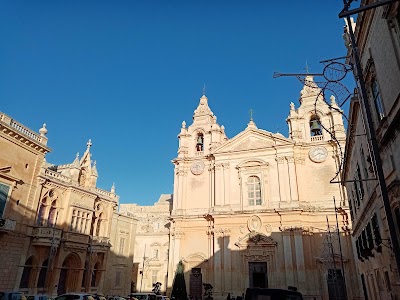
Malta's ancient fortified capital is nicknamed the "Silent City" for good reason. No cars are permitted within its honey-coloured walls, and wandering its narrow medieval streets feels like stepping back in time.
Highlights include the stunning views from Bastion Square, the ornate St Paul's Cathedral, and the atmospheric Mdina Dungeons for those who favour the macabre.
⚔️ The Three Cities
Vittoriosa, Senglea, and Cospicua - collectively known as the Three Cities - predate Valletta and offer a more authentic, less touristy experience. The Knights of St John first settled here, and the medieval atmosphere remains strong.
Don't miss the Inquisitor's Palace, the Fort St Angelo, and the charming waterfront promenades.
🏯 The Citadel (Victoria, Gozo)
Gozo's ancient fortified city dominates the island's landscape and offers 360-degree views across the entire island. Within its walls you'll find the beautiful Cathedral of the Assumption, several excellent museums, and remnants of Gozo's long history.
🛡️ Fort St Elmo & National War Museum
Guarding the entrance to Valletta's harbours, Fort St Elmo witnessed some of the most dramatic moments of the Great Siege of 1565. Today it houses the National War Museum, which covers Malta's military history from prehistoric times to WWII.
The George Cross, awarded to the entire island during WWII, is displayed here.
Museums & Cultural Attractions
Malta's museums range from world-class art collections to quirky speciality exhibits. Here are the standouts.
🎨 MUZA - Malta's National Art Museum
Housed in the beautifully restored Auberge d'Italie in Valletta, MUZA showcases Maltese art from prehistoric times to the present day. The building itself is as impressive as the collections, with its original 16th-century features carefully preserved.
⛪ St John's Co-Cathedral
Don't let the plain exterior fool you - step inside and you'll discover one of Europe's finest Baroque interiors. Every surface is covered in gilded carvings, marble inlays, and paintings. The real treasures? Two Caravaggio masterpieces, including his largest work, The Beheading of St John the Baptist.

🎭 Manoel Theatre
Built in 1731, this is one of Europe's oldest working theatres. Even if you don't catch a performance, guided tours reveal the intimate 600-seat auditorium with its original boxes and stunning ceiling.
🏺 National Museum of Archaeology
Located in Valletta's Auberge de Provence, this museum houses Malta's most important prehistoric artefacts, including the famous "Fat Lady" figurines and the Sleeping Lady from the Hypogeum. Essential context before visiting the temple sites.
Activities & Experiences
Beyond the history, Malta offers outstanding natural beauty and outdoor adventures.
🤿 Diving & Snorkelling
Malta consistently ranks among Europe's top dive destinations. Crystal-clear waters (visibility up to 40 metres), fascinating wrecks, caves, and diverse marine life attract divers from around the world.
Top sites include the Blue Hole in Gozo, the HMS Maori wreck in Valletta, and the Um El Faroud wreck off Wied iz-Zurrieq.
🚤 Blue Lagoon & Comino
The tiny island of Comino, between Malta and Gozo, is home to the famous Blue Lagoon - a natural swimming pool with impossibly turquoise waters. It's Malta's most photographed spot for good reason.

⛵ Harbour Cruises
Seeing Malta's fortifications from the water provides an entirely different perspective. Traditional harbour cruises depart from Sliema and circle both Grand Harbour and Marsamxett Harbour, passing Valletta's impressive bastions and the Three Cities.
🥾 Coastal Walks
Malta's coastline offers spectacular walking routes. Popular trails include:
- Dingli Cliffs - Malta's highest point with dramatic sea views
- Dwejra to Xlendi (Gozo) - Rugged coastal scenery
- Victoria Lines - Following the historic fortification wall across Malta
Family-Friendly Attractions
Malta is excellent for families, with attractions that engage children while keeping parents entertained too.
🎬 Popeye Village
This quirky attraction started as the film set for the 1980 Popeye movie and has been preserved as a theme park. Children love the colourful wooden buildings, character meet-and-greets, boat rides, and swimming in the bay.
🐠 Malta National Aquarium
Located in Qawra, this modern aquarium showcases Mediterranean and tropical marine life. The highlight is the 12-metre walk-through tunnel with sharks, rays, and other large fish swimming overhead.
🧱 Playmobil FunPark
The Playmobil factory in Hal Far includes an excellent FunPark where children can play with large-scale Playmobil sets, ride trains, and explore themed play areas. A factory tour shows how the toys are made.
🏖️ Sandy Beaches
While Malta is known for rocky shores, several sandy beaches are perfect for families:
- Mellieha Bay - Malta's largest sandy beach with shallow, calm waters
- Golden Bay - Beautiful sand, good facilities, sunset views
- Ramla Bay (Gozo) - Distinctive red sand, less crowded
- Pretty Bay (Birzebbuga) - Local favourite, very family-friendly
Practical Tips for Visiting Malta's Attractions
💡 Insider Tips
- Buy the Heritage Malta Multisite Pass if visiting 3+ heritage sites - it offers significant savings and skip-the-line access
- Book the Hypogeum immediately upon deciding to visit Malta - tickets sell out months in advance
- Start your days early - attractions are quieter, temperatures are cooler, and you'll make the most of your time
- Use the Tallinja bus card for unlimited public transport - most attractions are accessible by bus
- Carry water and sun protection - Malta's sun is strong, and shade is limited at outdoor sites
- Dress appropriately for churches - shoulders and knees must be covered at religious sites
- Plan Gozo as an overnight stay if possible - day trips feel rushed and you'll miss the island's evening charm
- Avoid July-August if you dislike crowds - spring and autumn offer better conditions for sightseeing
Getting Around
Malta's compact size makes getting around relatively easy:
- Public buses - Affordable and reach most attractions (tallinja.com for routes)
- Car rental - Useful for flexibility, but parking in Valletta is difficult
- Taxis & Bolt - Convenient for point-to-point journeys
- Ferries - Regular service to Gozo (25 mins) and harbour crossings in Valletta
Best Times to Visit
Spring (April-June): Ideal weather, wildflowers in bloom, manageable crowds
Autumn (September-November): Warm sea temperatures, fewer tourists, pleasant sightseeing weather
Summer (July-August): Hot and crowded, but perfect for beaches and water activities
Winter (December-March): Mild temperatures (15-18°C), some rain, but excellent for cultural attractions and lower prices
Where to Eat After Sightseeing
No visit to Malta's attractions is complete without sampling the local cuisine. After exploring historic sites, refuel with authentic Maltese dishes at traditional restaurants.
For a complete guide to local specialities, from pastizzi to fenkata, see our Best Maltese Food Guide.
🍽️ Explore Maltese Food on HubpyMalta
Need Help Deciding?
Ask AI Assistant 🤖📥 Take This Guide With You
Download our printable Malta Attractions Checklist - tick off each site as you visit!
Frequently Asked Questions
What are the must-see UNESCO World Heritage Sites in Malta?
Malta has three UNESCO World Heritage Sites: the City of Valletta (the entire capital is a designated site), the Megalithic Temples (including Ggantija, Hagar Qim, and Mnajdra), and the Hal Saflieni Hypogeum - an underground prehistoric burial site. All three are must-visits for history enthusiasts.
How many days do you need to see Malta's main attractions?
A minimum of 5-7 days is recommended to see Malta's main attractions comfortably. This allows 2-3 days for Valletta and the Three Cities, 1-2 days for Mdina and central Malta, and 1-2 days for a Gozo day trip or overnight stay. Add extra days for beaches and activities.
Is Malta suitable for families with children?
Absolutely! Malta is very family-friendly with attractions like the Malta National Aquarium, Popeye Village, Playmobil FunPark, and numerous sandy beaches. Most historic sites are accessible and engaging for children, and the compact size makes travel easy.
What is the best time to visit Malta's attractions?
Spring (April-June) and autumn (September-November) offer the best weather for sightseeing with fewer crowds. Summer is peak season with hot temperatures ideal for beaches but crowded attractions. Winter is mild and perfect for cultural sites, though some outdoor activities may be limited.
Are Malta's historic sites accessible for visitors with mobility issues?
Accessibility varies by site. Valletta has made significant improvements with lifts and ramps, and many museums are fully accessible. However, some historic sites like the Hypogeum and certain temple complexes have limited accessibility due to their ancient structures. Always check ahead for specific requirements.