Why Mdina is Special

Perched on a hill in the centre of Malta, Mdina is one of Europe's finest examples of a medieval walled city still inhabited today. Known as "The Silent City", this remarkable fortress has been the island's noble heart for over 4,000 years.
Walking through Mdina's narrow honey-coloured streets feels like stepping into a time capsule. With only around 300 residents and cars virtually banned, the city maintains an otherworldly calm that visitors find enchanting. The only sounds are church bells, footsteps on ancient stone, and perhaps the clip-clop of horse-drawn carriages.
Whether you're drawn by history, architecture, Game of Thrones filming locations, or simply the promise of stunning views across the island, Mdina delivers an unforgettable experience. It's easily one of Malta's top attractions and should be on every visitor's itinerary.
A Brief History of Mdina

Mdina's history stretches back to the Bronze Age, making it one of the oldest continuously inhabited places in the world. Here's how this remarkable city evolved:
🏛️ Phoenician & Roman Era (1000 BC - 870 AD)
The Phoenicians first fortified this hilltop, recognising its strategic value. The Romans later made it their capital, calling it Melita. According to tradition, St Paul stayed here after his famous shipwreck in 60 AD, converting the Roman governor Publius to Christianity.
🌙 Arab Period (870 - 1091 AD)
The Arabs transformed the city, building the walls we see today and shrinking its footprint. They named it Medina (meaning "the city" in Arabic) and separated the suburb outside the walls, calling it Rabat ("suburb"). These names survive to this day.
⚔️ Medieval Period (1091 - 1530 AD)
Under Norman, Swabian, and Aragonese rule, Mdina became the seat of Malta's noble families. The Universita (local government) held considerable power, and the city flourished as the administrative centre of the islands.
✝️ Knights of St John Era (1530 - 1798 AD)
When the Knights arrived, they initially considered Mdina but chose to build Valletta on the coast instead. Mdina retained ceremonial importance but began its transformation into the quiet "Noble City" (Citta Notabile) we know today.
🎬 Modern Era
Today, Mdina is a UNESCO World Heritage Site candidate and one of Malta's most visited attractions. It gained international fame as a filming location for Game of Thrones (King's Landing scenes) and continues to captivate visitors with its timeless atmosphere.
The Main Gate (Porta Principale)
🚪 Mdina's Grand Entrance
The Main Gate is Mdina's most iconic structure and your first taste of the city's grandeur. Built in 1724 in ornate Baroque style by Grand Master de Vilhena, it replaced the earlier medieval drawbridge entrance.
The gate features carved coats of arms, including the Vilhena family crest and the symbols of Malta. Above the arch, you'll find a Latin inscription and statues of St Paul, St Publius, and St Agatha - Malta's patron saints.
St Paul's Cathedral
⛪ Malta's Cathedral Treasure
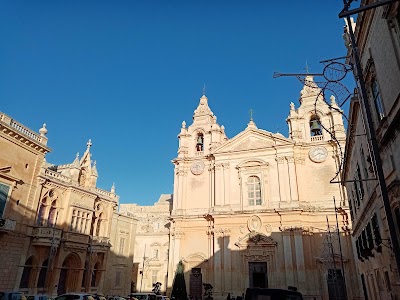
St Paul's Cathedral stands on the site where St Paul is said to have converted the Roman governor Publius in 60 AD. The current cathedral, designed by Maltese architect Lorenzo Gafa, was built between 1697 and 1702 after the previous church was destroyed in an earthquake.
The cathedral's interior is a masterpiece of Maltese Baroque architecture. The floor is paved with colourful marble tombstones of bishops and nobles, each a work of art. The ceiling frescoes depicting the life of St Paul are simply breathtaking.
Don't miss the original 12th-century Byzantine icon of the Madonna, the sacristy with its collection of Durer woodcuts, and the cathedral museum housing Albrecht Durer engravings and Roman artefacts.
Hours: Mon-Sat 9:30am-5pm, Sun 3pm-5pm
Palazzo Falson Historic House Museum
🏠 A Noble Maltese Home
Palazzo Falson is one of the oldest surviving buildings in Mdina, dating back to the 1490s. This beautifully preserved medieval house museum gives you an intimate glimpse into how Malta's noble families lived through the centuries.
The palace was home to Captain Olof Frederick Gollcher until 1962, and his remarkable collection remains intact. Wander through 45 rooms filled with antiques, paintings (including works attributed to Van Dyck and Mattia Preti), oriental carpets, silver, rare books, and curious objects collected over a lifetime.
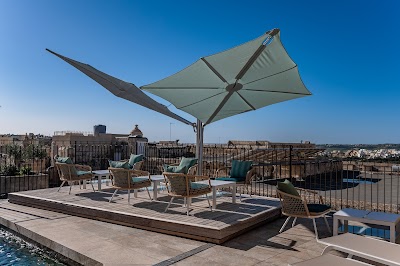
Highlights include the medieval kitchen with its original stone sink, the stunning courtyard, and the rooftop terrace offering panoramic views across Malta.
Hours: Tue-Sun 10am-5pm (closed Mondays)
Duration: Allow 1-1.5 hours
The Mdina Dungeons
⛓️ Medieval Dark Side
Located beneath the Vilhena Palace (now the Natural History Museum), the Mdina Dungeons offer a spine-chilling journey through Malta's darker history. These actual medieval dungeons have been transformed into an attraction featuring wax figures and authentic torture devices.
The tour covers various themes including the Roman persecution of Christians, the Inquisition, medieval punishment methods, and the Great Siege of 1565. While somewhat theatrical, the dungeons provide genuine historical context about crime and punishment in medieval Malta.
This attraction isn't for everyone - the displays are graphic and may be disturbing for young children or sensitive visitors. However, for those interested in the period's harsh realities, it's a fascinating (if unsettling) experience.
Hours: Daily 10am-4:30pm
Duration: 30-45 minutes
The Rabat Connection
Rabat sits immediately outside Mdina's walls and the two towns are inseparable in many ways. When planning your Mdina visit, always include time for Rabat - here's why:
🕳️ St Paul's Catacombs
Malta's largest underground burial site, used from the 3rd to 8th centuries AD. The labyrinth of tombs, chambers, and original rock-cut tables (for funeral feasts) is remarkably well preserved.
⛪ St Paul's Grotto
According to tradition, St Paul lived in this cave during his three-month stay in Malta. A place of pilgrimage for centuries, the grotto sits beneath St Paul's Parish Church.
🥧 Crystal Palace Pastizzeria
No visit to Rabat is complete without pastizzi from the legendary Crystal Palace. Many Maltese consider these the best pastizzi on the island - fresh, flaky, and only about €0.50 each. Get there early as they sell out fast!
For more traditional Maltese food experiences, see our complete Maltese Food Guide.
Best Times to Visit Mdina
Timing your visit correctly can transform your Mdina experience from crowded to magical. Here's our advice:
🌅 Best Time of Day
- Early morning (before 10am): Beat the tour groups, enjoy peaceful streets, perfect light for photography
- Late afternoon (after 4pm): Tour buses depart, golden hour light on honey-coloured stone
- Evening (after sunset): Truly magical - the city is beautifully lit and nearly empty. Many restaurants stay open for dinner
📅 Best Season
- Spring (March-May): Ideal weather, wildflowers blooming, comfortable walking conditions
- Autumn (September-November): Pleasant temperatures, fewer tourists than summer
- Winter (December-February): Quietest period, mild weather, atmospheric
- Summer (June-August): Very hot - the stone walls trap heat. Visit early or late if you must
Pro tip: Combine Mdina with a Valletta visit on the same day - they're very different experiences but complement each other perfectly.
Practical Tips for Visiting Mdina
🚌 Getting There
- By bus: Routes 51, 52, 53 from Valletta (40 mins). Route 202 from Sliema/St Julian's
- By car: Free parking available in Rabat (5 min walk to Mdina Gate). Avoid weekends when spaces fill quickly
- By taxi/Bolt: €15-20 from Valletta, €10-15 from Sliema
- By hop-on-hop-off bus: Both red and blue routes stop at Mdina
👟 What to Wear
- Comfortable shoes: Streets are cobblestoned and uneven. Avoid heels
- Sun protection: Little shade in summer - bring hat, sunscreen, water
- Layers: Churches require covered shoulders and knees
- Jacket in winter: Hilltop location means wind
💡 Top Tips
- Allow enough time: 2-3 hours minimum, 4-5 hours with museums and lunch
- Bring cash: Some small shops and cafes don't accept cards
- Download maps: Mobile signal can be patchy in narrow streets
- Explore the bastions: The views from Bastion Square are among Malta's best
- Try a karozzin ride: Horse-drawn carriages offer a romantic tour (negotiate price first, expect €30-40)
- Visit Rabat too: Just outside the gates - catacombs, grotto, and the best pastizzi
♿ Accessibility
- Mdina's medieval streets are challenging for wheelchairs and pushchairs
- Cobblestones, steps, and narrow passages throughout
- Some main attractions have limited accessibility - call ahead
- The Main Gate area and Bastion Square are relatively flat
Where to Eat in Mdina
Dining in Mdina is a special experience - there's something magical about eating in a medieval city. Here are our recommendations:
🍽️ Fine Dining
De Mondion at the Xara Palace hotel is Malta's premier fine dining experience, with stunning views and Michelin-quality cuisine. Book well in advance for dinner on the terrace.
Medina Restaurant offers upscale Mediterranean cuisine in a beautiful Norman house. The courtyard is perfect for summer evenings.
☕ Casual Dining & Cafes
Fontanella Tea Garden is the most famous spot, perched on the bastions with panoramic views. Famous for its cakes and hot chocolate, though expect queues in high season.
The Cloisters at the Carmelite Priory offers excellent light meals in a unique setting.

🍽️ Explore Mdina Restaurants on HubpyMalta
Restaurants in Mdina:
All Mdina Restaurants →Traditional Maltese Food:
Maltese Food Guide 🍲Need Help Deciding?
Ask AI Assistant 🤖📥 Download Your Free Mdina Walking Tour Map
Our self-guided tour covers all major attractions, hidden corners, photo spots, and the best route through the city!
Frequently Asked Questions
Why is Mdina called the Silent City?
Mdina earned its nickname "The Silent City" because cars are banned within its walls, and only around 300 residents live there today. The narrow medieval streets remain remarkably quiet, especially in the evening when day-trippers leave. Walking through Mdina feels like stepping back in time to a peaceful, car-free era.
What is the best time to visit Mdina?
The best times to visit Mdina are early morning (before 10am) or late afternoon (after 4pm) when tour groups have departed. Evening visits are magical - the city is beautifully lit and nearly empty. Avoid midday during summer when temperatures inside the stone walls can be intense. Spring and autumn offer ideal weather conditions.
How long do you need to visit Mdina?
Allow 2-3 hours to explore Mdina's main attractions including the Main Gate, St Paul's Cathedral, and the bastions. For a more thorough visit including Palazzo Falson, the dungeons, and a leisurely lunch, plan for 4-5 hours. Combining Mdina with neighbouring Rabat makes for a perfect half-day or full-day excursion.
Is Mdina free to enter?
Yes, entering Mdina itself is completely free. You can wander the streets, enjoy the views from the bastions, and soak up the atmosphere without paying anything. Individual attractions like St Paul's Cathedral (€5), Palazzo Falson (€10), and the Mdina Dungeons (€6) charge separate admission fees.
What is the connection between Mdina and Rabat?
Mdina and Rabat were originally one city. When the Arabs fortified Malta around 870 AD, they built walls around the higher ground (Mdina) and left the suburbs outside (Rabat, meaning "suburb" in Arabic). Today, Rabat sits just outside Mdina's walls and offers its own attractions including St Paul's Catacombs and the famous Crystal Palace pastizzeria.