Introduction to the Three Cities

Across the shimmering waters of the Grand Harbour from Valletta lie three of Malta's most historically significant and atmospheric settlements: Vittoriosa (Birgu), Senglea (Isla), and Cospicua (Bormla). Together they form the Cottonera, a fortified area that predates Valletta and served as the Knights of St John's first home in Malta.
While Valletta attracts the crowds, the Three Cities offer something increasingly rare in Malta: authentic, lived-in neighbourhoods where washing still hangs between balconies, elderly residents chat on doorsteps, and you can wander for hours without encountering another tourist.
These cities witnessed the most dramatic moments of Malta's history, from the desperate defence during the Great Siege of 1565 to the devastating bombing raids of the Second World War. Today, they reward visitors with magnificent fortifications, stunning harbour views, and a glimpse into traditional Maltese life.
Vittoriosa (Birgu) Highlights

Vittoriosa, also known by its Maltese name Birgu, is the most visited of the Three Cities and for good reason. This is where the Knights of St John established their headquarters after arriving in Malta in 1530, and the medieval streetscape remains remarkably intact.
🏛️ The Inquisitor's Palace
One of the few surviving Inquisitor's Palaces in the world, this atmospheric building served as the headquarters of the Roman Inquisition in Malta from 1574 to 1798. Wander through the prison cells, tribunal rooms, and private apartments to understand how the Inquisition operated in practice.
The building itself is a fascinating example of how a medieval structure was repeatedly adapted and expanded over centuries.
⛪ St Lawrence's Church
This magnificent Baroque church was the Knights' conventual church before they built St John's Co-Cathedral in Valletta. The interior is lavishly decorated with paintings, marble, and gilded carvings. Look for the hat of Grand Master Jean de Valette, the hero of the Great Siege, preserved here.
🚶 Collachio - The Knights' Quarter
The atmospheric medieval streets between the waterfront and Fort St Angelo formed the original Knights' quarter. Here you will find the Auberges (lodges) where Knights from different nations lived, many now restored as private residences or boutique hotels.
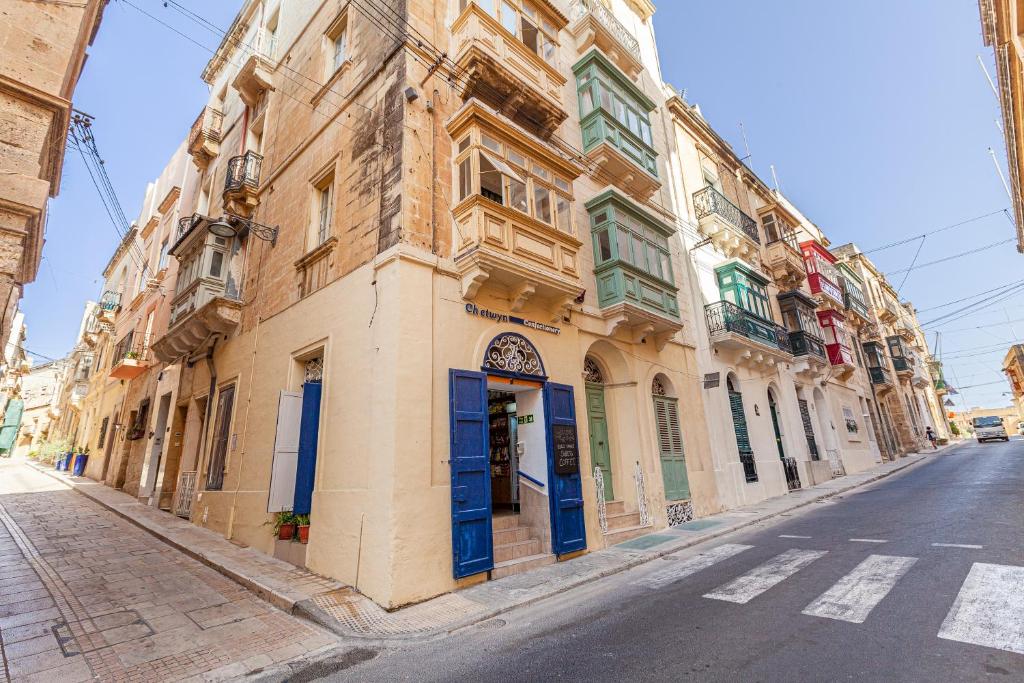
Wander through narrow lanes lined with honey-coloured limestone, past ornate doorways and traditional Maltese balconies. The area is particularly magical in the early morning or at dusk when the streets are quiet.
⚓ Vittoriosa Waterfront
The elegant waterfront promenade offers spectacular views across to Valletta, particularly stunning at sunset when the capital's bastions glow golden. Superyachts now moor where the Knights' galleys once docked, lending the area a glamorous atmosphere.
Several restaurants and wine bars line the quay, making it perfect for an evening aperitivo.
Senglea Gardens & Views
Senglea (Isla in Maltese) occupies a narrow peninsula jutting into the Grand Harbour. Smaller and more residential than Vittoriosa, it offers some of the most spectacular viewpoints in Malta and a wonderfully authentic neighbourhood atmosphere.
🌳 Gardjola Gardens (Safe Haven Gardens)
These small but perfectly formed gardens at the tip of the Senglea peninsula offer what many consider the finest views in all of Malta. From here you can see Valletta, the Grand Harbour, Fort St Angelo, and across to Kalkara - a 360-degree panorama of Malta's most historic waterfront.
The gardens take their name from the iconic vedette (watchtower) with its carved eye and ear, symbolising eternal vigilance. This sentinel has watched over the harbour entrance since the 17th century.
🏘️ Senglea Streetscape
Wandering Senglea's narrow streets reveals a neighbourhood that has retained its authentic character despite the devastation of WWII bombing. Many buildings were reconstructed in the post-war period, but the traditional urban fabric survives.
Look out for colourful traditional balconies, ornate religious niches on street corners (a distinctive Maltese feature), and the everyday life of local residents going about their business.

⛪ Our Lady of Victories Church
Senglea's parish church commemorates the victory in the Great Siege of 1565. The current Baroque building replaced earlier structures and houses a revered statue of the Madonna believed to have miraculous properties. The church was heavily damaged in WWII but faithfully restored.
Cospicua Fortifications
Cospicua (Bormla in Maltese) is the largest of the Three Cities and is distinguished by its massive fortification walls. While less restored than Vittoriosa, it offers fascinating examples of military architecture and an authentic working-class Maltese neighbourhood.
🏰 The Cottonera Lines
The most impressive fortifications here are the massive Cottonera Lines, built between 1670 and 1680 to protect all three cities. Named after Grand Master Nicolas Cotoner, these walls stretch for nearly 5 kilometres and represent one of the largest building projects ever undertaken by the Knights.
Walk along sections of the walls for spectacular views and to appreciate the sheer scale of this engineering achievement.
🚪 Notre Dame Gate (Zabbar Gate)
This monumental Baroque gateway is the main entrance to the Cottonera Lines and one of the finest examples of 17th-century military architecture in Malta. The ornate facade features the coat of arms of Grand Master Nicolas Cotoner and sculptural decoration befitting a grand entrance.
🏚️ The Margherita Lines
These earlier fortifications (built 1638-1645) protected the landward side of the Three Cities before the Cottonera Lines were constructed. Sections survive in various states of preservation and can be explored as part of a walking tour of the area.
⛵ Cospicua Waterfront & Dockyard
The waterfront area has been undergoing regeneration, with parts of the historic dockyard now converted into a yacht marina. This was once the heart of Malta's shipbuilding industry, and you can still see elements of the industrial heritage alongside newer developments.
Fort St Angelo
Dominating the tip of the Vittoriosa peninsula, Fort St Angelo is one of Malta's most important historic monuments and an absolute must-visit. This mighty fortress served as the headquarters of the Knights of St John and was the nerve centre of Malta's defence during the Great Siege of 1565.
🏰 History & Significance
The site has been fortified since antiquity, but the current structure dates primarily from the Knights' period. During the Great Siege, Grand Master Jean de Valette directed operations from here, and the fort's cannons inflicted devastating damage on the Ottoman forces.
In the 20th century, the fort served as the headquarters of the British Mediterranean Fleet, known as HMS St Angelo. It played a crucial role in the defence of Malta during WWII.
👀 What to See
The fort has been extensively restored and offers fascinating exhibitions about its history. Highlights include:
- The Chapel of St Anne - A beautiful medieval chapel with original frescoes
- Grand Master's residence - Period rooms showing how the Knights lived
- Military exhibitions - Weapons, armour, and siege warfare displays
- Panoramic terraces - Stunning 360-degree views of the Grand Harbour and Valletta
🎟️ Visiting Information
Fort St Angelo is managed by Heritage Malta and included in the Multisite Pass. The fort is fully accessible via a modern lift system.
Malta Maritime Museum
Housed in the magnificent former Naval Bakery on the Vittoriosa waterfront, the Malta Maritime Museum tells the fascinating story of Malta's relationship with the sea from prehistoric times to the present.
🚢 The Collection
The museum's extensive collection includes models of ships from every era, navigational instruments, paintings, weapons, and artefacts recovered from shipwrecks. Highlights include:
- Knights' period gallery - Models of the famous galleys and naval equipment
- Traditional Maltese boats - Including the iconic dgħajsa and luzzu
- British period collection - From Malta's time as a crucial Mediterranean naval base
- WWII gallery - Including artefacts from the convoys that saved Malta
🎟️ Visiting Information
The Maritime Museum is managed by Heritage Malta. Allow 1-2 hours for a visit.
How to Get There
The Three Cities are easily accessible from Valletta and other parts of Malta. The most atmospheric approach is by water, but buses and taxis provide practical alternatives. For comprehensive transport information, see our Getting Around Malta Guide.
⛵ By Water Taxi (Dgħajsa)
The traditional dgħajsa water taxi is the most scenic and atmospheric way to reach Vittoriosa. These small boats have ferried passengers across the harbour for centuries and the journey takes just 5 minutes.
Boats depart from Valletta's waterfront near the Customs House when enough passengers gather (usually every 10-15 minutes). The fare is approximately €2 per person.
🚌 By Bus
Several bus routes connect Valletta with the Three Cities:
- Route 1, 2, 3 - From Valletta bus terminus to Cospicua and Vittoriosa
- Route 3 - Continues to Kalkara, passing Fort St Angelo
Journey time is 15-20 minutes depending on traffic. Use the Tallinja card for convenient payment.
🚕 By Taxi or Bolt
Taxis and ride-sharing services like Bolt provide convenient door-to-door transport. From Valletta, expect to pay €10-15 for the journey. Taxis are readily available at the Valletta bus terminus.
🚗 By Car
If driving, there is limited parking within Vittoriosa itself. The most practical option is to park in Cospicua near the Cottonera Lines or in designated parking areas and walk into the historic centres.
🚢 By Ferry
A regular ferry service operates between Valletta Waterfront and Vittoriosa, providing a comfortable alternative to the traditional dgħajsa. The crossing takes about 10 minutes.
Walking Routes
The Three Cities are best explored on foot. The compact area is perfect for walking, with most attractions within easy reach of each other. Here are two recommended routes.
🚶 Route 1: Essential Highlights (2-3 hours)
This route covers the main sights and is perfect if you have limited time.
- Start: Arrive at Vittoriosa waterfront by dgħajsa or ferry
- Walk along the waterfront to the Maritime Museum
- Continue to Fort St Angelo (allow 1-1.5 hours)
- Return through the Collachio medieval streets
- Visit St Lawrence's Church and the Inquisitor's Palace
- Walk to Senglea via the bridge
- Finish: Gardjola Gardens for sunset views
🚶 Route 2: Complete Three Cities (Full Day)
This comprehensive route covers all three cities and their fortifications.
- Start: Enter via Notre Dame Gate into Cospicua
- Explore the Cottonera Lines and walk sections of the walls
- Walk through Cospicua to Senglea
- Explore Senglea's streets and visit Gardjola Gardens
- Lunch at a waterfront restaurant in Senglea or Vittoriosa
- Cross to Vittoriosa via the bridge
- Visit Fort St Angelo (allow 1.5-2 hours)
- Explore the Maritime Museum
- Wander the Collachio and visit the Inquisitor's Palace
- Finish: Evening drinks at the Vittoriosa waterfront before returning to Valletta by dgħajsa
Practical Tips
💡 Insider Tips
- Buy the Heritage Malta Multisite Pass if visiting Fort St Angelo, the Inquisitor's Palace, and Maritime Museum - it offers significant savings
- Arrive by dgħajsa for the most memorable approach and fantastic photos of Valletta
- Visit Gardjola Gardens at sunset for the most spectacular views and photographs
- Wear comfortable walking shoes - the streets are cobbled and uneven in places
- Carry water and sun protection in summer - shade is limited and temperatures can soar
- Allow a full day if you want to explore all three cities thoroughly
- Visit midweek for a quieter experience - weekends can be busier, especially the waterfront
- Explore the back streets - the best discoveries are off the main tourist routes
- Check festa dates - if your visit coincides with a local festa, you will experience unforgettable celebrations
Where to Eat
The Three Cities offer excellent dining options, from waterfront restaurants to traditional local eateries:
- Vittoriosa waterfront - Upmarket restaurants with harbour views, ideal for dinner
- Senglea main square - Local cafes and pastizzerias for authentic snacks
- Wine bars in the Collachio - Atmospheric spots for aperitivo
📍 Continue Exploring Malta
Need Help Planning?
Ask AI Assistant 🤖📥 Take This Guide With You
Download our printable Three Cities walking map with all the key sights marked!
Frequently Asked Questions
What are the Three Cities in Malta?
The Three Cities are Vittoriosa (also called Birgu), Senglea (Isla), and Cospicua (Bormla). Together they form the Cottonera area, located across the Grand Harbour from Valletta. These fortified cities predate Valletta and were the Knights of St John's first home in Malta.
How do I get to the Three Cities from Valletta?
The most scenic way is by traditional dgħajsa (water taxi) from Valletta's waterfront, taking about 5 minutes and costing around €2. Alternatively, take bus routes 1, 2, or 3 from Valletta, or use the ferry service from the Valletta Waterfront to Vittoriosa.
How long do you need to explore the Three Cities?
A half-day (3-4 hours) is sufficient for the main highlights, but a full day allows you to explore all three cities thoroughly, visit Fort St Angelo and the Maritime Museum, and enjoy lunch at a waterfront restaurant. Consider visiting at sunset for spectacular views.
Is Fort St Angelo worth visiting?
Absolutely! Fort St Angelo is one of Malta's most impressive fortifications and played a crucial role in the Great Siege of 1565. The fort offers stunning panoramic views of Valletta and the Grand Harbour, plus fascinating exhibitions about its history as the Knights' headquarters.
What is the best time to visit the Three Cities?
Early morning or late afternoon are ideal, avoiding the midday heat and offering the best light for photography. Sunset is particularly spectacular from Senglea's Gardjola Gardens. The Three Cities are less crowded than Valletta year-round, making them pleasant even in peak season.